Bottled water scandal
According to reports by the newspaper Le Monde and Radio France, major bottled water brands, including those owned by Nestlé, have been using illegal purification methods for many years, with the approval of the authorities. Several questions arise and we will answer them.
The company Alma, which produces about thirty bottled waters in France, including Cristaline, but also Saint-Yorre, Vichy Célestins and Châteldona water, applied treatment methods to its mineral waters that did not comply with regulatory standards. This included the injection of industrial iron sulphate and CO2, microfiltration below the permitted limits, as well as the mixing of water labelled "mineral" or "spring" with water from the network, i.e. tap water.
Also discover this latest article from the Futura.Sciences website on the importance of stopping drinking bottled water: Why it is urgent to stop drinking bottled water
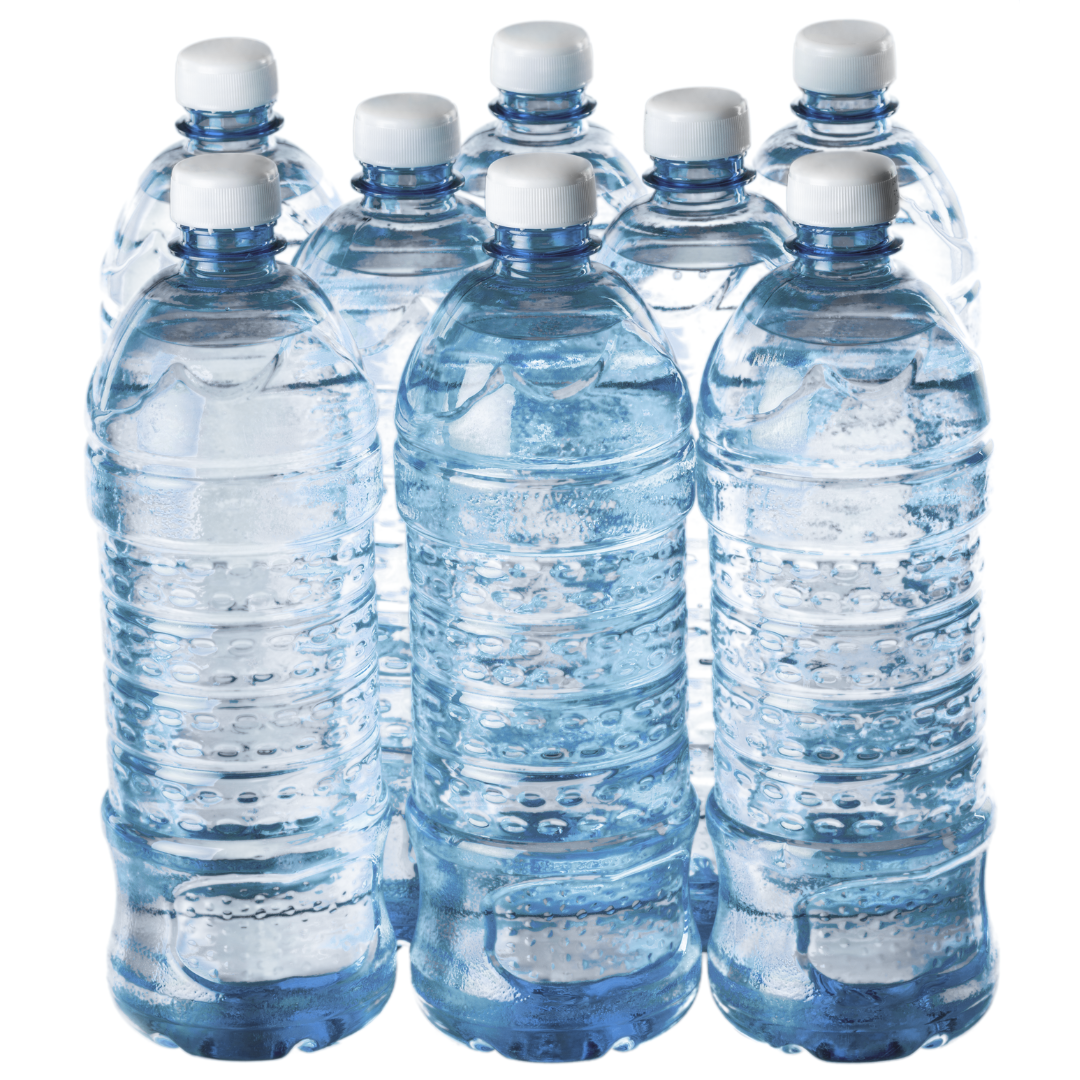
What exactly are the illegal purification techniques used by these major bottled water brands?
Major bottled water brands, including Nestlé Waters, have been accused of using illegal purification methods, including ultraviolet filtration or activated carbon, in the treatment of water taken from deep groundwater.
Ultraviolet (UV) filtration is a method of water purification that uses ultraviolet light to destroy microorganisms in the water, such as bacteria, viruses, and protozoa. The contaminated water passes through a UV lamp, which emits germicidal ultraviolet rays. These UV rays damage the DNA of microorganisms, making them unable to reproduce and therefore harmless. Activated carbon is a porous material that is used in water filters to remove contaminants from water by adsorption.
When water passes through an activated carbon filter, impurities and chemicals are trapped in the pores of the carbon through electrostatic forces. This effectively removes contaminants such as chlorine, pesticides, volatile organic compounds (VOCs), and some pharmaceuticals, improving the quality of drinking water.
What health risks can arise from the use of these non-compliant techniques and are there safe alternatives?
The French Ministry of the Economy announces that "no health risk related to the quality of bottled water has been identified at this stage" ...
The IGAS (General Inspectorate of Social Affairs and Health), mandated by the government to examine the use of treatments not authorised by manufacturers, said that even if the "level of compliance is high on bottled water overall", it would be unwise to conclude that the health risk is perfectly controlled, in particular with regard to the microbiological risk. In addition, the inspectors added that removing "treatments" that had been used to compensate for a lack of quality of the resource was problematic, as their removal could lead to a health risk. The IGAS stressed that the use of non-compliant filters "could expose consumers to a health risk related to the ingestion of viruses".
At Pure Filters, we believe that it is crucial for consumers to be aware of these issues in order to make informed decisions about drinking bottled water.
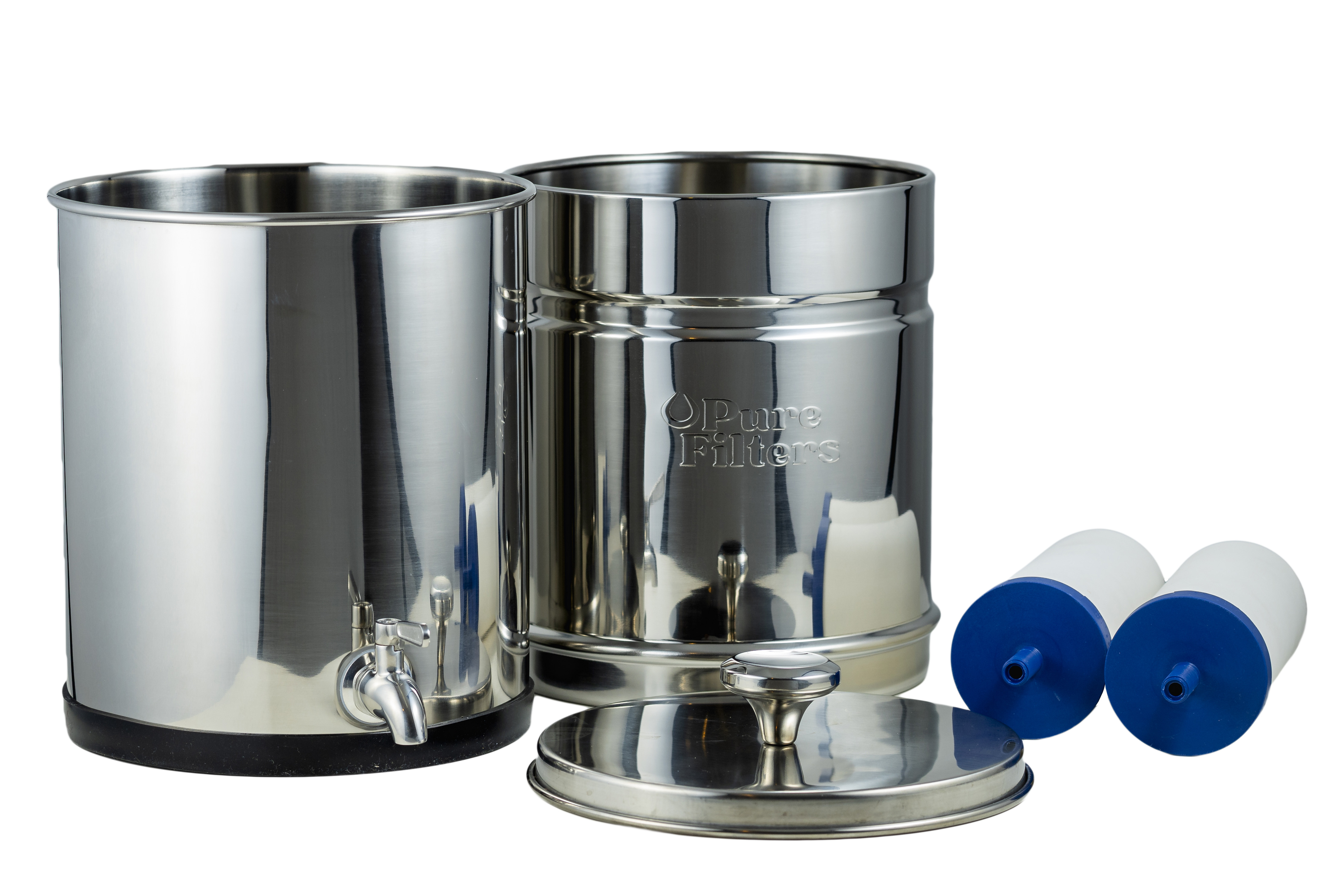
We maintain that the best option, both ecologically, economically and above all for health, is the use of a water purifier. Whether you opt for a gravity filtration system such as Pure Filterswater purifiers, or whether you choose an over-sink or under-sink system, we encourage you to make an informed choice that takes into account the latest developments, for the sake of your health.
As a replacement for bottled water when you travel, which alternative should you choose?
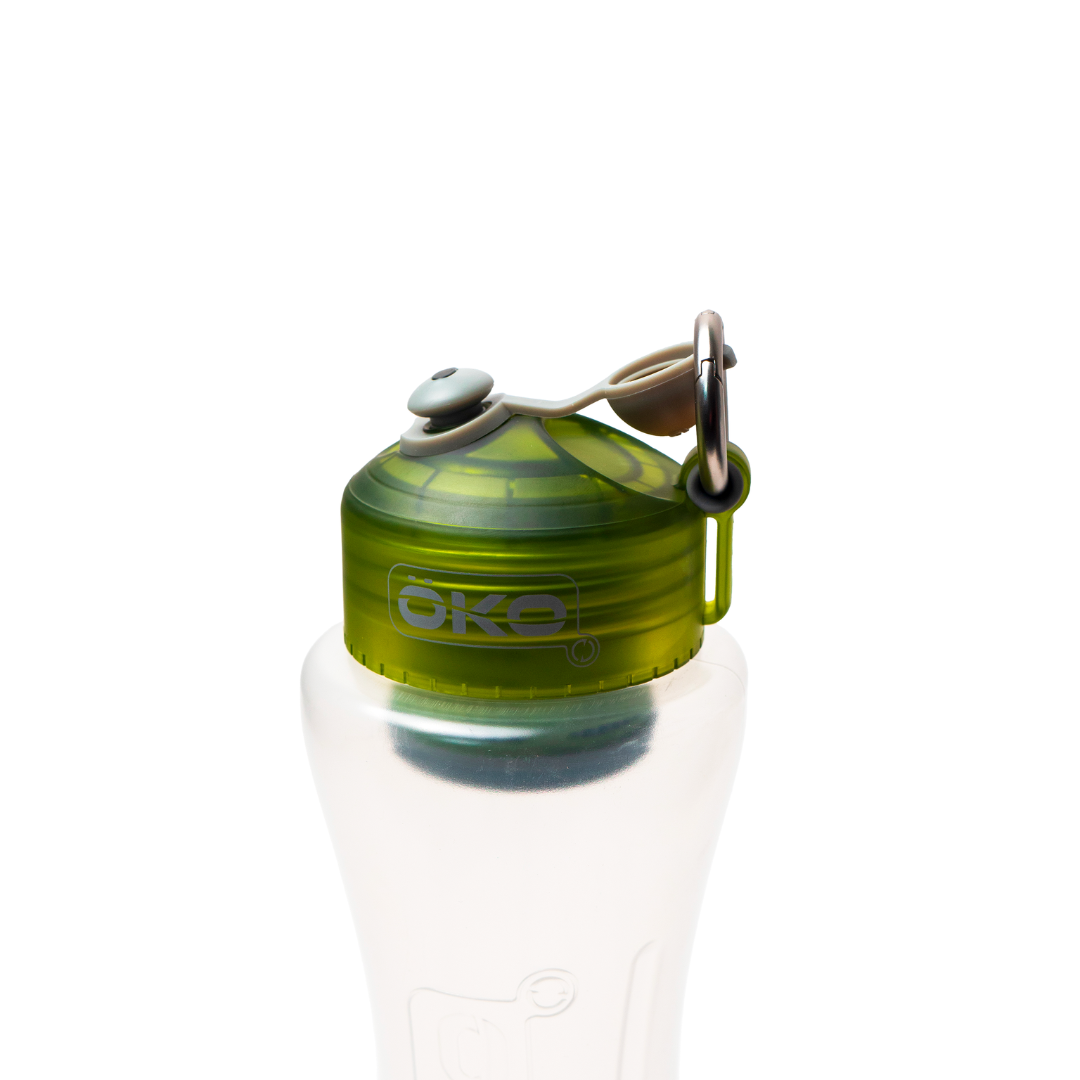
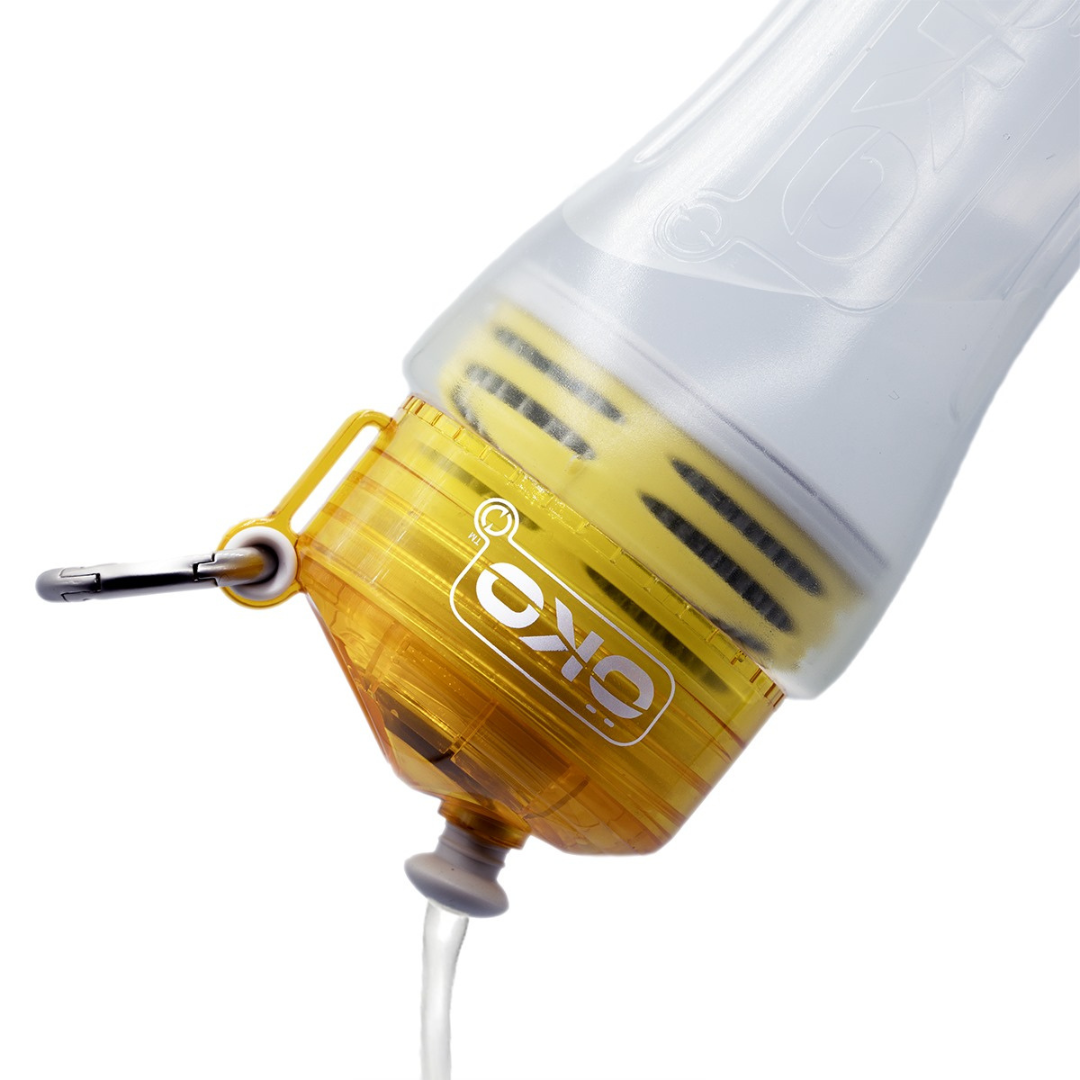
If your main reason for consuming bottled water is portability, then we recommend opting for the ÖKO water bottle.
But why choose a filter bottle?
ÖKO water bottles have several advantages for those who are looking for a source of drinking water when travelling or doing outdoor activities. These water bottles quickly convert water from natural sources into safe drinking water. They are particularly suitable for hikers, campers, travellers and outdoor enthusiasts, offering a convenient solution to obtain drinking water without having to carry large quantities of already treated water.
ÖKO water bottles are equipped with advanced filters that effectively remove water contaminants such as bacteria, protozoa and some viruses, reducing the risk of waterborne diseases and ensuring safer water to drink.
In addition to filtering contaminants, ÖKO water bottles can also reduce bad tastes and odors from the water, improving the experience of drinking water from natural sources. Read our article on how the ÖKO water bottle works and how to use it.
%20(36).png)