The impact of limescale on your water
What is the definition of hard water?
Hard water is water that contains a high concentration of minerals such as calcium and magnesium. These minerals can be dissolved in water as it passes through rocks like limestone and dolomite. Due to this high concentration of minerals, hard water can have effects on appliances, skin and hair, as well as the taste of food prepared with this water.
The water we consume from the tap can vary in hardness depending on its source and the treatment to which it is subjected. Hard water is usually the one that contains a significant amount of dissolved calcium and magnesium.
What are the potential complications associated with hard water?
The problems associated with hard water are multiple:
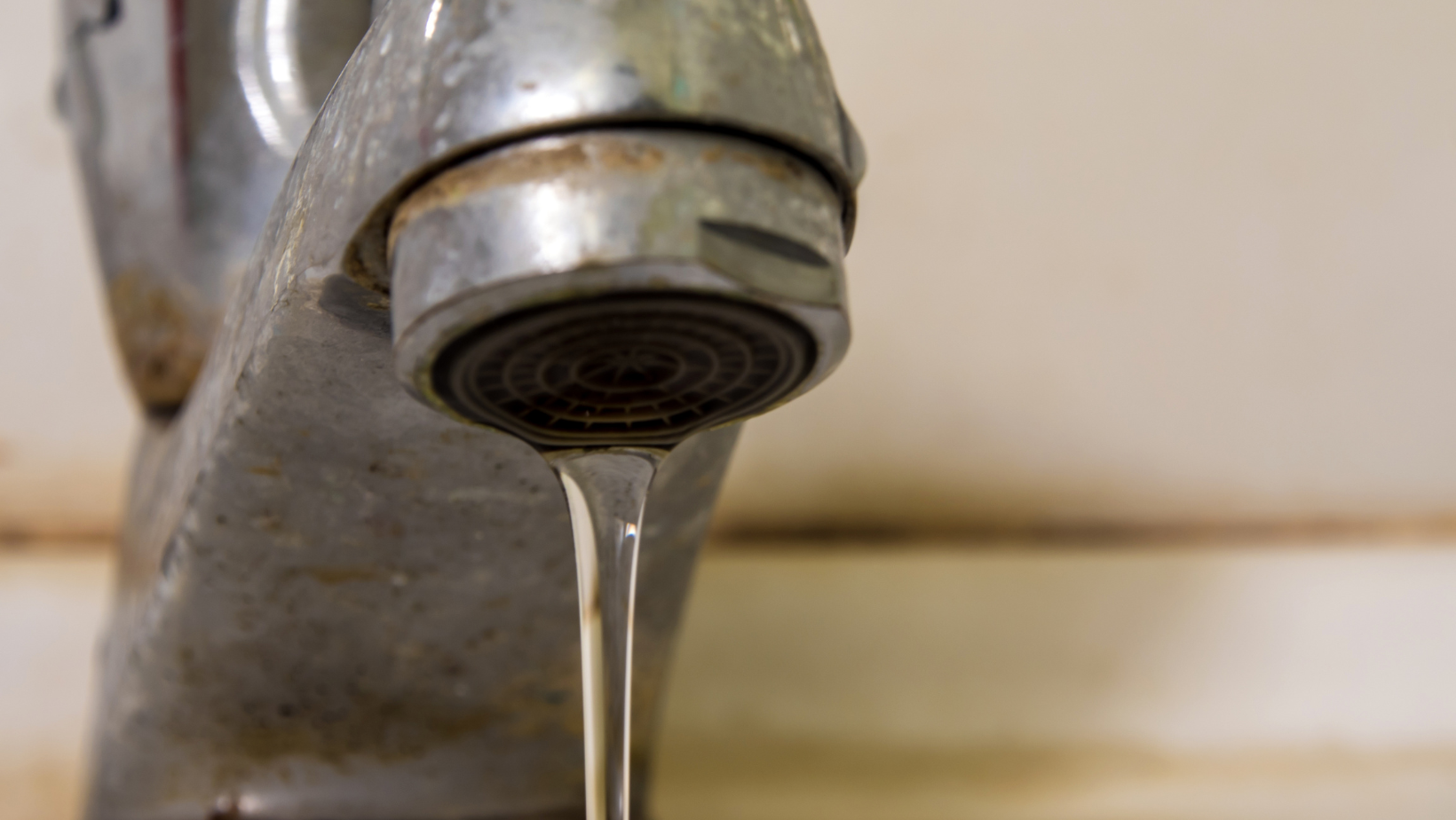
- Scale formation in pipes and household appliances such as dishwashers and washing machines. Scale can clog pipes and reduce the life of appliances.
- Reduced effectiveness of detergents, as minerals in hard water react with cleaning agents, forming a residue that can leave stains or deposits on surfaces.
- Skin and hair irritation, as hard water can alter the skin's natural protective barrier.
- Decreased energy efficiency of household appliances due to scale build-up on heating elements, leading to increased energy consumption and additional costs.
- Risk of increased pressure in the plumbing system due to scale buildup in pipes, which can lead to leaks and ruptures.
What are the methods to reduce the hardness of tap water?
The use of a water softener involves the installation of a device equipped with an ion exchange resin. This device works by passing hard water through the resin, which swaps calcium and magnesium ions for sodium ions. As a result, the resulting water is softened. Water softeners can be installed at the main entrance of the house to treat all incoming water, or on a specific tap to treat only the water in that location.
It is important to note that softened water may contain higher levels of sodium due to ion exchange in the water softener and is not recommended with the use of a gravity water purifier.
Treatment with polyphosphates is another common method of controlling hard water. Polyphosphates are chemicals that work by preventing hard minerals from settling on surfaces. They work by binding to hard minerals, preventing them from building up in pipes and appliances. Polyphosphates are often used in phosphate-based water treatment systems.
Boiling water is a more rudimentary method of temporarily removing hard minerals. When the water is brought to a boil, the minerals precipitate and settle to the bottom of the pan. However, this method is not practical for softening water on a large scale.
How can we get rid of limescale that is already present?
There are various methods for removing limescale that has already formed, depending on the nature of the affected area and the extent of the limescale build-up.
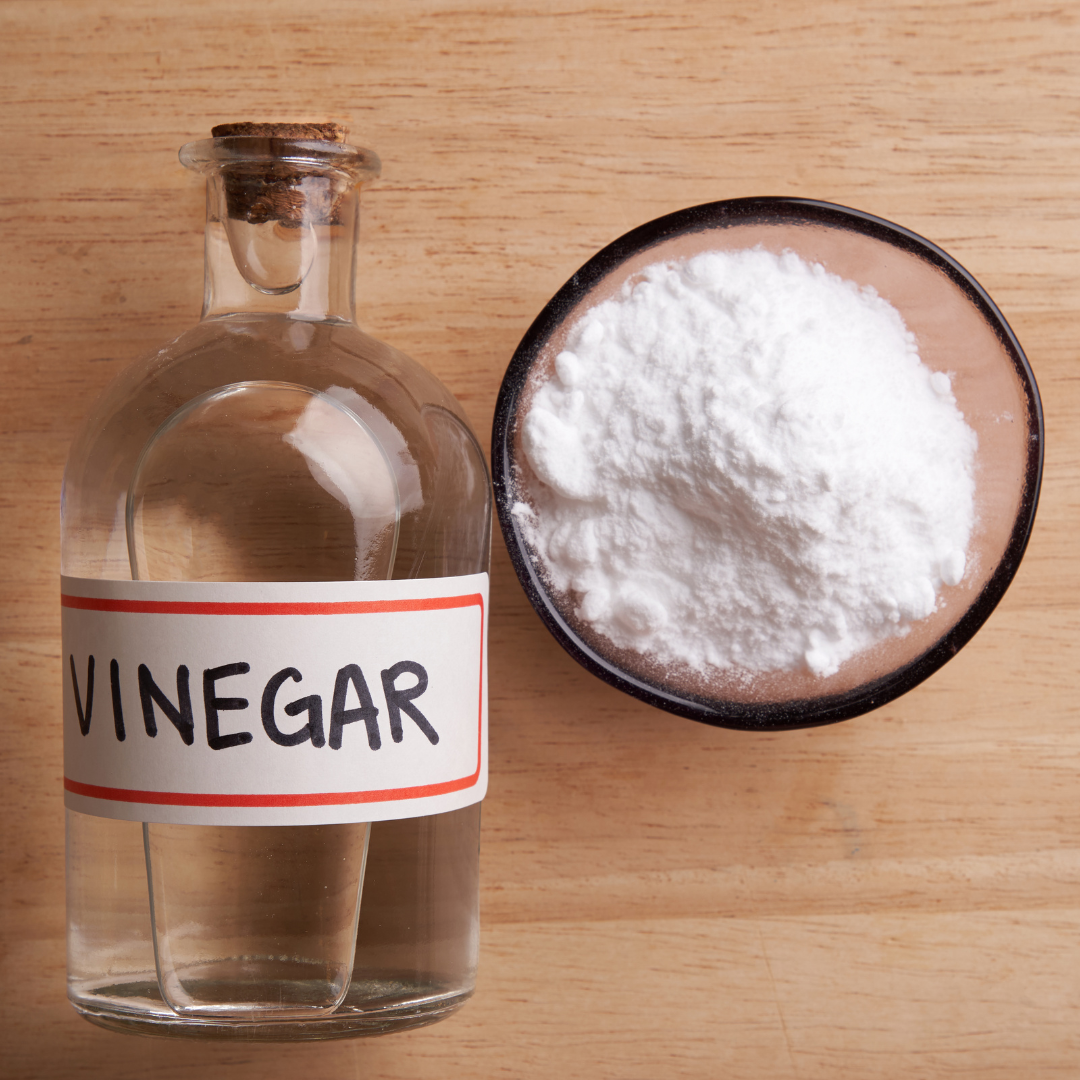
- White vinegar, as a natural acid, is effective in dissolving limescale. To use, mix equal amounts of white vinegar and water, then apply the mixture to the surface to be treated using a cloth or sponge. Leave on for 10 to 15 minutes before rinsing thoroughly with clean water.
- Citric acid, another natural acid, is also effective at dissolving limescale. You can find it in powder or crystal form at DIY stores or online. To use, dilute an appropriate amount of citric acid in hot water and then apply the mixture to the surface to be treated. Leave on for a few minutes before rinsing thoroughly with clean water.
- Baking soda can be used to remove limescale from ceramic or porcelain surfaces. Simply sprinkle a small amount of baking soda on a damp sponge and then gently scrub the affected surface. Then, rinse thoroughly with clean water.
How effective are Pure Filters water purifiers for treating limescale?
Pure Filters water filtration systems (*) equipped with Coldstream FTO+ filters are designed to reduce the presence of minerals in the water, but it does not aim to completely remove hard minerals such as calcium and magnesium responsible for water hardness. Check out this FAQ article about the removal of mineral salts by the Pure Filterswater purifier.
By using Coldstream FTO+ filters, you effectively remove a wide range of impurities from water, such as bacteria, viruses, heavy metals, pesticides, herbicides, chemicals, and sediments.
Visit our lab testing pages to find out exactly what filters the Coldstream FTO+: Coldstream Water Purifier Lab Tests.
However, while the Pure Filters system can reduce the concentration of minerals in the water, they do not remove them completely. So, if the goal is to soften water to prevent scale buildup in pipes and appliances, it is necessary to use a water softener or other suitable method of water softening.