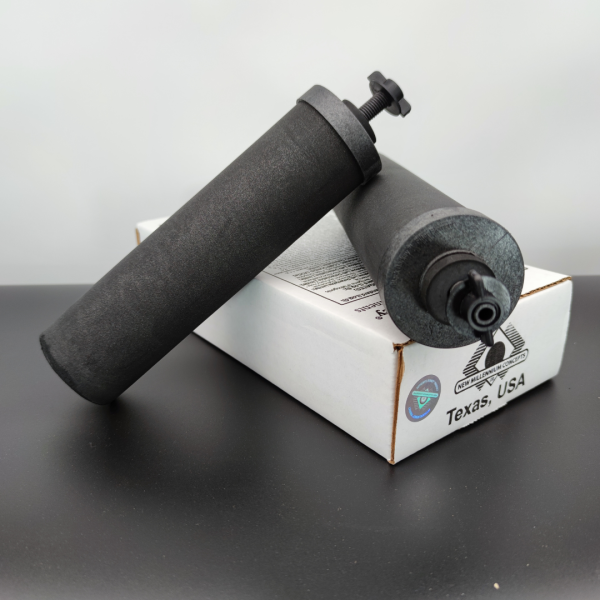
Black Berkey and look-alike filters
Imitations of Black Berkey filters on the market
In the world of gravity water purifiers, it's essential to recognize the difference between genuine products and imitations. Brands like Phoenix, Purewell, and Weeplow seem, at first glance, to look like the renowned Black Berkey filters.
However, appearances can be deceiving. Unlike Black Berkeys, which use a unique alloy without activated carbon, these Chinese or Indian (Phoenix) imitations are mostly made of activated carbon. The main problem with these products is their false claim about how long they will be used.
While they promise extended performance beyond six months and claim to treat up to 22,700 liters of water with a pair of filters, these claims are far from reality. The activated carbon they use requires more frequent replacements to maintain adequate filtration efficiency, making their longevity claims extremely dubious.
In addition, the lab tests associated with these brands lack transparency, raising questions about the veracity and effectiveness of their advertised filtration capacity.
With the discontinuation of Black Berkey filters, it has become crucial to turn to reliable alternatives. In this context, the filters Coldstream FTO+ emerging as the best option available on the market today. Combining Ceramic and activated carbon, this technology offers a robust and proven solution for water treatment.
We urge consumers to exercise caution and critical thinking when considering cost-effective alternatives such as:
- Purewell
- Phoenix
- Weeplow
Filters Coldstream FTO+Fit perfectly in the tanks of the imitators mentioned (excluding the Weeplow 5.6 Litre model only). If, like many customers who contact us, you are disappointed with these brands, you can simply install Coldstream FTO+ filters in your tanks by gravity.
These products, although sold at attractive prices and accompanied by slogans evoking Black Berkey filters, do not correspond to the commitment to quality and performance necessary for a true autonomy in drinking water.
At Pure Filters, we are committed to full transparency and publish comprehensive lab test results for our Coldstream products, ensuring that our customers make informed decisions based on reliable and verified data.
Durability and efficiency of activated carbon filters
Activated carbon is a widely used filter material for its ability to adsorb a wide variety of contaminants, including chemicals and heavy metals. However, its durability is limited, in particular because of its tendency to become saturated over time. For this reason, it is generally recommended to replace activated carbon filters every six months to maintain optimal efficiency.
The main benefit of adhering to this replacement frequency is to ensure consistent removal of contaminants at high levels. By renewing filters regularly, users benefit from a stable and reliable purification performance, avoiding the risks associated with filter saturation, such as reduced filtration efficiency and potential leaching of accumulated contaminants.
In comparison, Black Berkey filters, while initially very efficient, may experience a decrease in their ability to remove certain contaminants over time, especially in the presence of high concentrations of chemicals or heavy metals. While these filters can technically last for several years before requiring replacement, their effectiveness in removing certain contaminants can gradually decrease, which is not immediately apparent without regular testing.
This gradual decrease in the effectiveness of Black Berkey filters underscores the importance of regular assessment of treated water quality and, where appropriate, preventative replacement of filters to ensure consistent water quality.
For users who are looking for an alternative to Black Berkey filters
Filters Coldstream FTO+Offer a reliable solution, with semi-annual replacements that ensure continuous and effective contaminant removal over time. They are compatible with water purifiers Pure Filters, as well as for all water purifier models such as Berkey, Berkefeld, ProOne, Weeplow (excluding the 5.6L), Purewell and Phoenix (and Phoenix brands such as Moderma, Spare2GO etc.)
So, while activated carbon filters require more frequent maintenance, this consistency is a small price to pay for ensuring that water is pure and safe at all times. Consumers should be aware of these differences and choose their filtration systems based on their specific needs, while also considering the long-term costs associated with maintaining and replacing the filters.
For users who are looking for a ready-to-use water purification system
Discover gravity water purifiers Pure Filters 6L Trips, , Home 9L and Family 12L, designed to offer a reliable and efficient solution for those looking to ensure the purity and safety of their daily water. As the best current alternative on the market, water purifiers Pure Filters are distinguished by their use of Coldstream filtration technology (*), which is widely recognized and approved for its ability to remove a wide range of Range of contaminants.
The Home 9L and Family 12L models are perfect for families or for those who need a larger amount of filtered water, offering a practical solution without compromising on quality. Thanks to the filters Coldstream FTO+Included, these systems effectively remove bacteria, viruses, heavy metals, chemicals, and even nitrates, exceeding the performance of many other systems available on the market.
Coldstream FTO+ filters are designed to provide pure, healthy water, meeting the highest standards of filtration. In addition to their high performance, the Pure Filters are Easy to use and maintain, requiring no complex installation or electricity, making them ideal for use at home or even on the go.
Opt for water purifiers Pure Filters Voyager 6L, Home 9L and Family 12L and enjoy peace of mind with premium water, while supporting sustainable and eco-friendly technology.
%20(152-5%C2%A0%C3%97%C2%A085%C2%A0cm)%20(85%20x%20205%20cm)%20(Publication%20Instagram%20(45)).png)
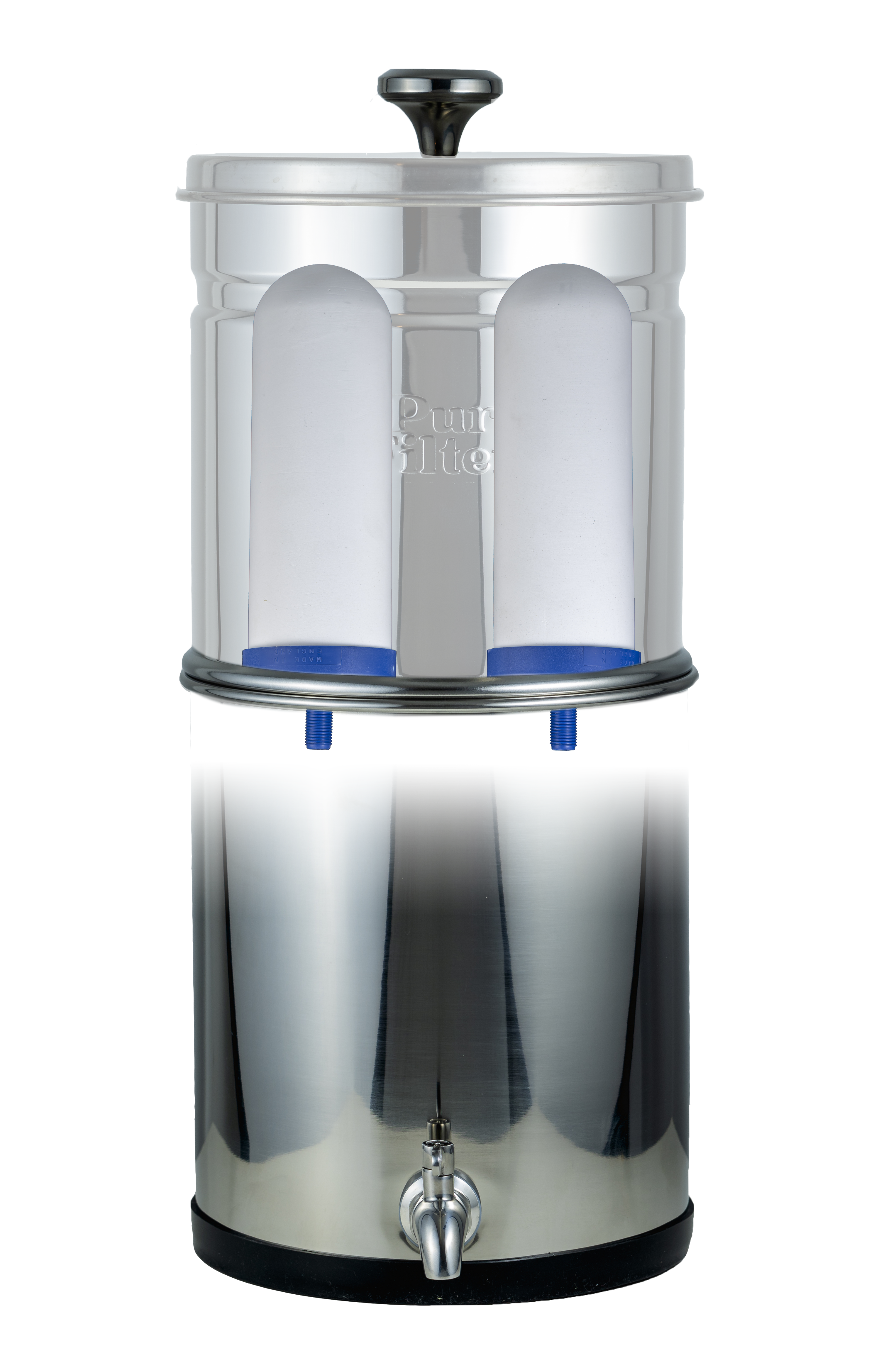
Weeplow
The note added in the Weeplow report emphasizes several critical aspects regarding the scope and interpretation of the results provided:
Not covered by accreditation : The opinion given on the results is not covered by the laboratory's accreditation. This means that the conclusions or recommendations made do not benefit from the formal recognition that usually accompanies accredited test procedures and results. This may affect the credibility or perceived authority of the opinion in the eyes of third parties or regulators.
Exclusion of measurement uncertainty : The Notice clarifies that the Declaration of Compliance does not take into account the uncertainty associated with the results. Measurement uncertainty is a fundamental element in assessing the accuracy and reliability of analytical results. Failure to take this uncertainty into account can make the interpretation of the results less robust and could potentially lead to erroneous or ill-informed conclusions.
Need to communicate the notice with the full report : The opinion should be presented in conjunction with the entire analysis report. This underscores the importance of considering the opinion as part of the broader context provided by the full report, which contains critical details about the methods, test parameters, and observations that are essential for a complete understanding of the conclusions.
These points suggest caution in the use of the information provided by the laboratory, especially with regard to making decisions based on this opinion. Users of the report should be aware of the limitations related to accreditation and the uncertainty of the measurements to properly assess the implications of the results obtained.
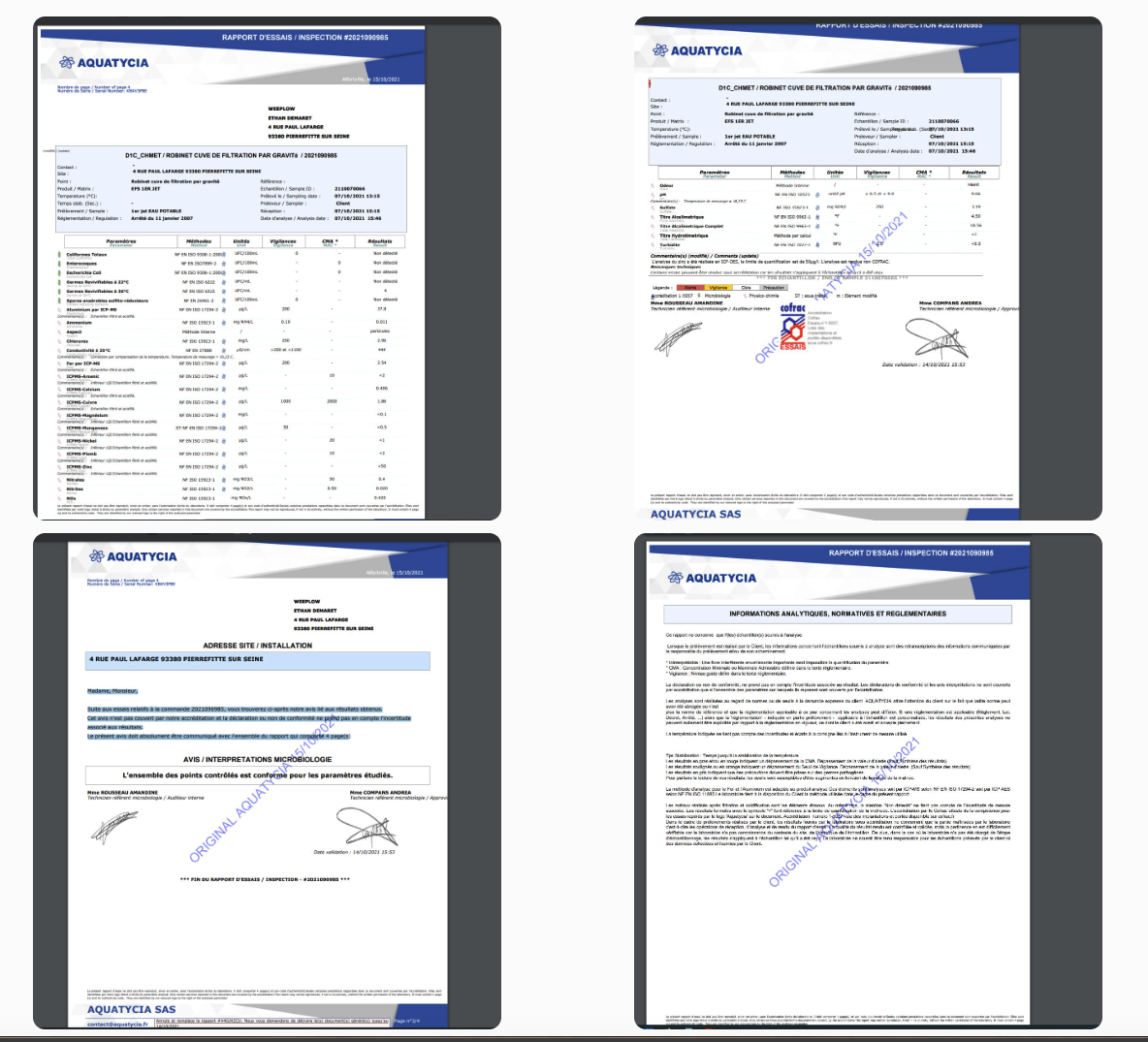
The conclusion of the Weeplow report
Weeplow's analysis, according to the report, presents several key points that are important in terms of compliance and the validity of test results:
Responsibility for the collection : The analysis highlights that when the sample is taken by the customer, the information provided is based on the information provided by the customer. This means that the accuracy of the sample information depends on how accurately the customer has relayed it.
Regulatory Compliance : The report highlights the complexity of complying with standards or regulations that may be outdated or no longer the benchmark at the time of analysis. This situation may affect the relevance of analysis results to current regulations.
Limitations of results : The report specifies that the results do not take into account the uncertainties associated with the measurement and that the results of analyses carried out by the laboratory are limited to the steps controlled by the laboratory (reception, analysis, return of the report). The sampling conditions and the context of the site, which are not under the control of the laboratory, may influence the relevance of the results.
Interpretation of the results : Results marked in bold, red, or orange indicate exceedances of regulatory thresholds, suggesting compliance issues that need to be addressed. However, caution should be exercised as these exceedances may reflect issues specific to the sample and not to the entire lot or system being tested.
Accreditation and validity of tests : Accreditation by Cofrac attests to the competence of the laboratory for the specified tests. This reinforces the credibility of the results for the aspects covered by the accreditation, but the limitations mentioned above must be taken into account in the interpretation of the data.
In comparison to the Berkey report, this Weeplow report seems to highlight more limitations and caveats to interpreting the results. This can be seen as a transparency move or as an indication that the results may require further analysis before they can be fully validated and used for regulatory or compliance decisions.
We would like to draw attention to the fact that "customer sampling" can imply that the customer can bring any water (bottled water, reverse osmosis water). A reliable laboratory test is to drop off the filter at the laboratory that will take the samples without going through the customer.
Weeplow tests made in the USA
These tests are specifically dedicated to the elimination of bacteria such as E Coli. It is therefore essential to compare with a Berkey and FTO+ Coldstream laboratory test on bacteria and viruses.
Coldstream FTO+ tests are available here
Berkey Vs Weeplow Laboratory Tests Comparison
- Filtration efficiency
Berkey : Tests show a significant reduction in microorganisms, meeting or exceeding the log reduction requirements of NSF P248 standards for viruses (4 log) and bacteria (6 log). This demonstrates an exceptional ability to purify water of biological contaminants to very high levels.
Weeplow : Reports indicate lower performance compared to Berkey filters. While some tests show good contaminant reduction, it is unclear whether Weeplow consistently meets recommended health standards, and the tests have significant uncertainties and lack of coverage by formal accreditation.
- Clarity of results and accreditation
Berkey : Tests are performed according to established and clearly documented protocols with recognized methods. The approach and results are transparent, facilitating reliable evaluation by users and experts.
Weeplow : The reports indicate potential problems with interpretation due to the lack of coverage by accreditation and the exclusion of measurement uncertainty. This can make it difficult for consumers to confirm the true effectiveness of the filters.
- Value for money
Berkey (400 euros): Despite a higher price, investing in a Berkey system ensures high-quality drinking water thanks to advanced and well-documented filtration technology. The superior efficiency of the filters justifies the higher price, especially for those who value water safety and quality.
Weeplow (200 euros): Offers a less expensive option, but with potentially less consistent performance and less clear documentation as to effectiveness. For budget-conscious consumers, it's a budget-friendly alternative, but with possible sacrifices on reliability and performance.
Conclusion : The choice between Weeplow and Berkey should be based on individual water quality and budget priorities. Berkey represents a solid choice for those who do not want to compromise water quality and are willing to invest more for guaranteed and documented performance. Weeplow, on the other hand, can be considered by those looking for short-term or less expensive solutions, while being aware of the uncertainties related to performance.
Weeplow is a micro-filter and does not fall into the water purifier category (LOG6 Bacteria and Log 2 Virus) unlike Berkey and Coldstream FTO+ which are water purifiers.
Coldstream FTO + VS Weeplow Lab Tests Comparison
To compare tests Coldstream FTO+With Weeplow filters, it is important to focus on a few key performance criteria: filtration efficiency, filter life, and certification of results.
Here is an analysis based on the general information available and the typical characteristics of the two types of filters:
- Filtration Efficiency
Coldstream FTO+ : Coldstream filters are renowned for their ability to filter out a wide range of contaminants, including bacteria, viruses, heavy metals, and chemicals. Coldstream FTO+ filters are tested and certified to meet rigorous standards such as NSF/ANSI 42, 53, and P231, indicating a significant reduction in pathogens and other pollutants.
Weeplow : Weeplow filters claim to filter bacteria, sediment, heavy metals, etc., but information on independent certifications is less clear or less available. Claims about the lifespan of filters and their ability to filter up to 22,700 liters should be taken with caution**, especially if they are primarily based on internal testing not verified by independent bodies.
- Filter life
Coldstream FTO+ : Coldstream filters have a recommended life of 1500 liters (pair), which is based on rigorous testing and industry standards. This life is often conservatively estimated to ensure optimal filtration performance until the end of the period of use.
Weeplow : Weeplow claims a lifespan of up to 22,000 liters, but this claim requires validation by independent testing, especially due to the inherent limitations of activated carbon under conditions of varying contamination.
- Certification and transparency of testing
Coldstream FTO+ : Coldstream filters have clearly documented and publicly accessible certifications, reflecting transparency and reliability in the tests performed.
Weeplow : Testing transparency and certification details may not be as clear or available, raising questions about the verifiability of performance claims.
Conclusion : When comparing Coldstream FTO+ and Weeplow/Phoenix, Coldstream appears to offer a more rigorous and transparent approach to certification, performance testing, and documentation. Users looking for reliability and quality assurance should look for products with recognized certifications and independent testing. Coldstream FTO+ provides this, while Weeplow requires further investigation to verify performance claims.
Real durability of Weeplow, Pheonix, Purewell (and other imitations) filters
These filters are based on activated carbon.
** Advertised vs. Sustainability Activated Carbon Reality:
Excessive Durability : Weeplow Phoenix and Purewell claim that their activated carbon filters can last up to 22,700 liters (or about 5 years if two filters are used to purify 10 liters of water per day). However, activated carbon, especially when used to filter water that is highly contaminated or with high concentrations of sediments, heavy metals, bacteria, etc., usually has an adsorption capacity that becomes saturated well before these volumes.
Influence of water quality : Weeplow mentions that the lifespan of their filters can be halved if the filtered water comes from less controlled natural sources such as rivers or lakes. This statement highlights that the performance and lifespan of the filters are highly dependent on the initial water quality, which could make sustainability estimates less reliable for users under various conditions.
Points to consider:
Carbon adsorption capacity : Activated carbon is very effective at removing some impurities, but its ability is limited by the available adsorption surface. Once the adsorption sites are saturated, the filter can no longer effectively remove contaminants.
Maintenance and replacement : Claims of extremely long durability could mislead users, causing them to not replace filters often enough, which can compromise the quality of the filtered water.
Conclusion : It appears that Weeplow and Phoenix could optimize the performance expectations of their filters, especially under various conditions of use. For consumers, it is crucial to understand that the lifespan of any activated carbon filter will depend significantly on the quality of the water being treated. Users should be vigilant and perhaps even plan to replace filters more frequently than advertised, especially when dealing withNatural spring water or highly contaminated.
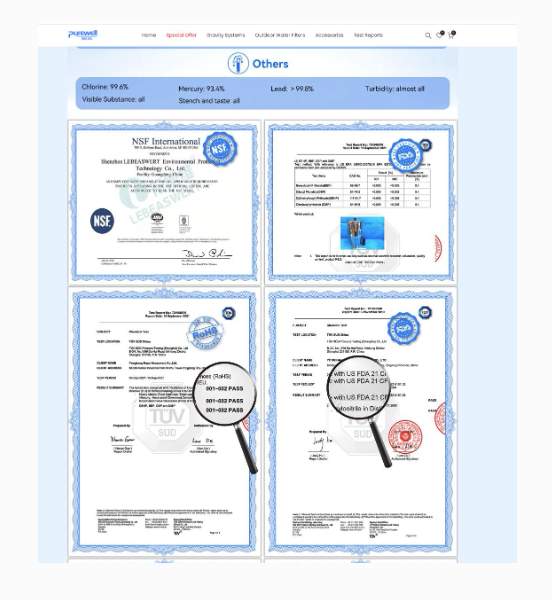
Our Comments About Purewell
The lab tests available are a real disaster when it comes to transparency for users, non-downloadable screenshots are available on their site.
Our comments about Phoenix / Spare2GO / Euro Guard Filters / Black Filters
Manufactured in India, Phoenix has more conclusive laboratory tests than Weeplow and Purewell. However, the description of the protocol is quite poor and the results were obtained from a single analysis laboratory located in India. We also believe that the Euro Gard Filtre, Spare2Go and Black Filters filters also come from the same factory. Their identical appearance and the same marketing promising a very high quantity of filtered water confirm our analysis.
You can get a better idea of the lab by looking on Google Maps at what it looks like and where it is located:Here is the Google Maps link (you have to turn the angle of view 180 degrees to see the Atom Testing Laboratory)
This laboratory, the Atom Testing Laboratory, operates with the standards in force in India, which are much less restrictive than in Europe, when they exist. It was their test results, which seemed too optimistic, that caught our attention.
When the results are systematically more than 99.9% regardless of the contaminant tested, without the slightest variation in the percentage, as on pages 8, 9, 14 and 15 of their report, it seems more than suspicious when it comes to the veracity of the analyses carried out.
You have to be careful with counterfeit Black Berkey filters, in addition to not filtering what they indicate, they can contaminate the filtered water themselves via the products used in their manufacture.
In short, it is not as precise a protocol as those of Berkey and Coldstream. This brand also does not escape the following remark: since the filters are made of activated carbon, the doubts about the volumes of water advertised are completely justified and must be seriously taken into account.
Phoenix tests are available here
Water filtration and purification is a precise technology that requires a rigorous approach.
In addition to opaque laboratory tests, the false marketing about the durability of Weeplow, Purewell and Phoenix cartridges must be taken into account. Their prices are cheaper, just like their reliability tests. It is up to each user, for 150 to 200 euros of investment difference, to estimate this price difference in balance with the value he places on his health.