
Chlorine in water
What is the chemical composition of chlorine and what is its role in water treatment?
Chlorine, identified by the symbol Cl and having atomic number 17, is a yellow-green gas at ordinary temperature and under normal pressure. Highly reactive in nature, it has a propensity to form compounds with various elements, such as sodium chloride, more commonly known as table salt.
In water treatment, chlorine plays a vital role in eliminating bacteria and other microorganisms that may be present in drinking water. It is introduced into the water as a gas, liquid, or chlorine-based chemical tablets. Once mixed with water, chlorine interacts with pathogens, killing them or rendering them inactive. In addition, it is effective against certain water parasites, such as protozoa, which are responsible for diseases such as giardiasis and cryptosporidiosis.
This method of disinfection, which has been used for more than a century, is considered both effective and economical in ensuring the safety of the drinking water supply. However, high levels of chlorine in drinking water can pose health risks, as it can react with certain organic compounds to form potentially carcinogenic byproducts.
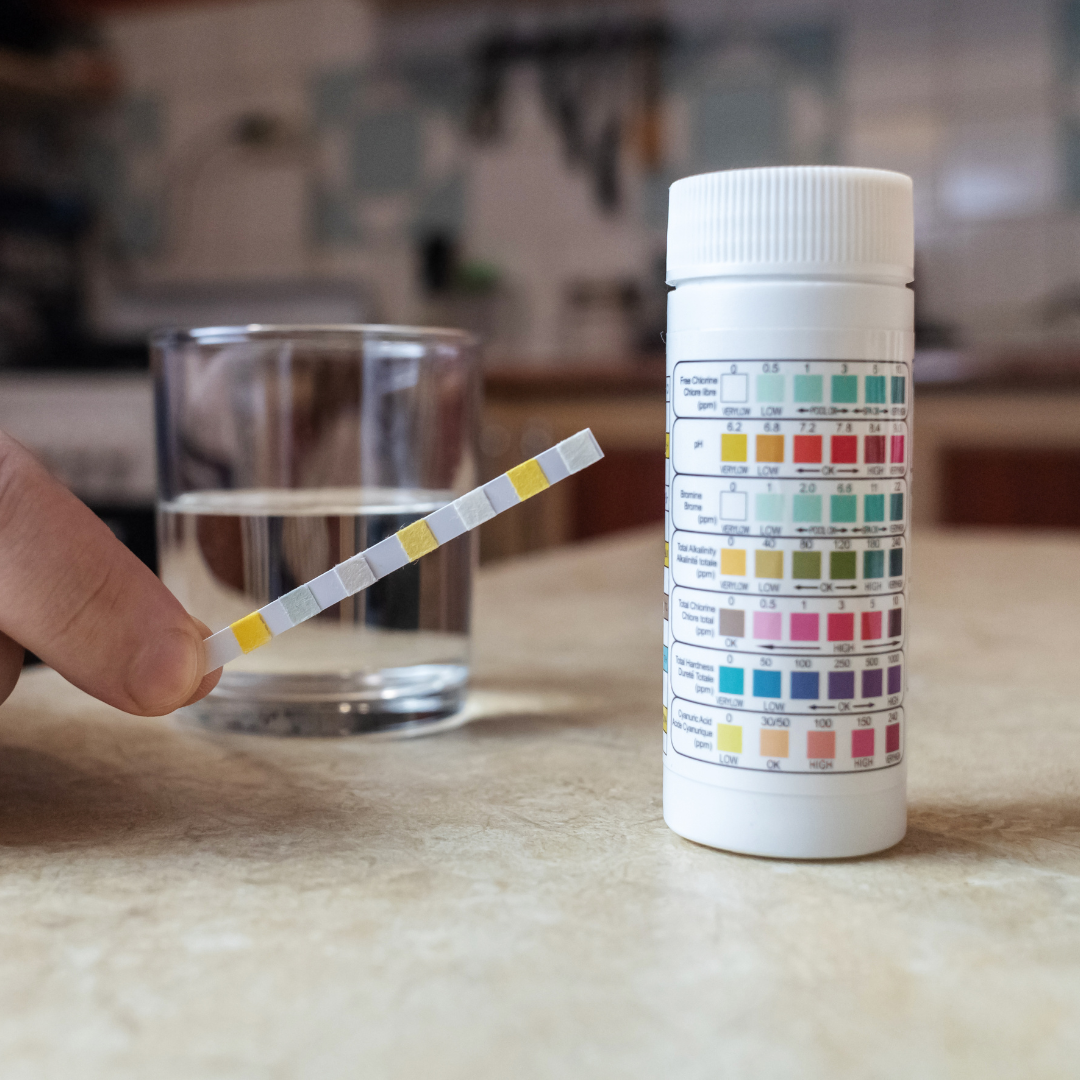
Chlorine in tap water
Chlorine is an agent that is widely used to purify tap water and make it safe to drink. It is incorporated into different stages of water treatment, depending on the source and the specifics of the treatment system.
It is usually introduced into the water as a chlorine gas, which is precisely dosed using dosing facilities. Alternatively, chlorine can be administered in the form of chemicals like sodium hypochlorite or hypochlorous acid, which dissolve in water to form active disinfecting agents.
Chlorine is effective in killing various microorganisms, including bacteria, viruses, and parasites, which are responsible for diseases such as cholera, dysentery, and typhoid. It also helps prevent bacterial growth in water pipes and tanks. However, the use of chlorine to disinfect tap water can have consequences on water quality, including the formation of disinfection by-products such as trihalomethanes (THMs), which are potentially harmful to health at high concentrations.
In France, reports from Santé publique France study the formation of disinfection by-products such as trihalomethanes (THMs) during the chlorination of drinking water, and their association with certain health risks, including bladder cancer.
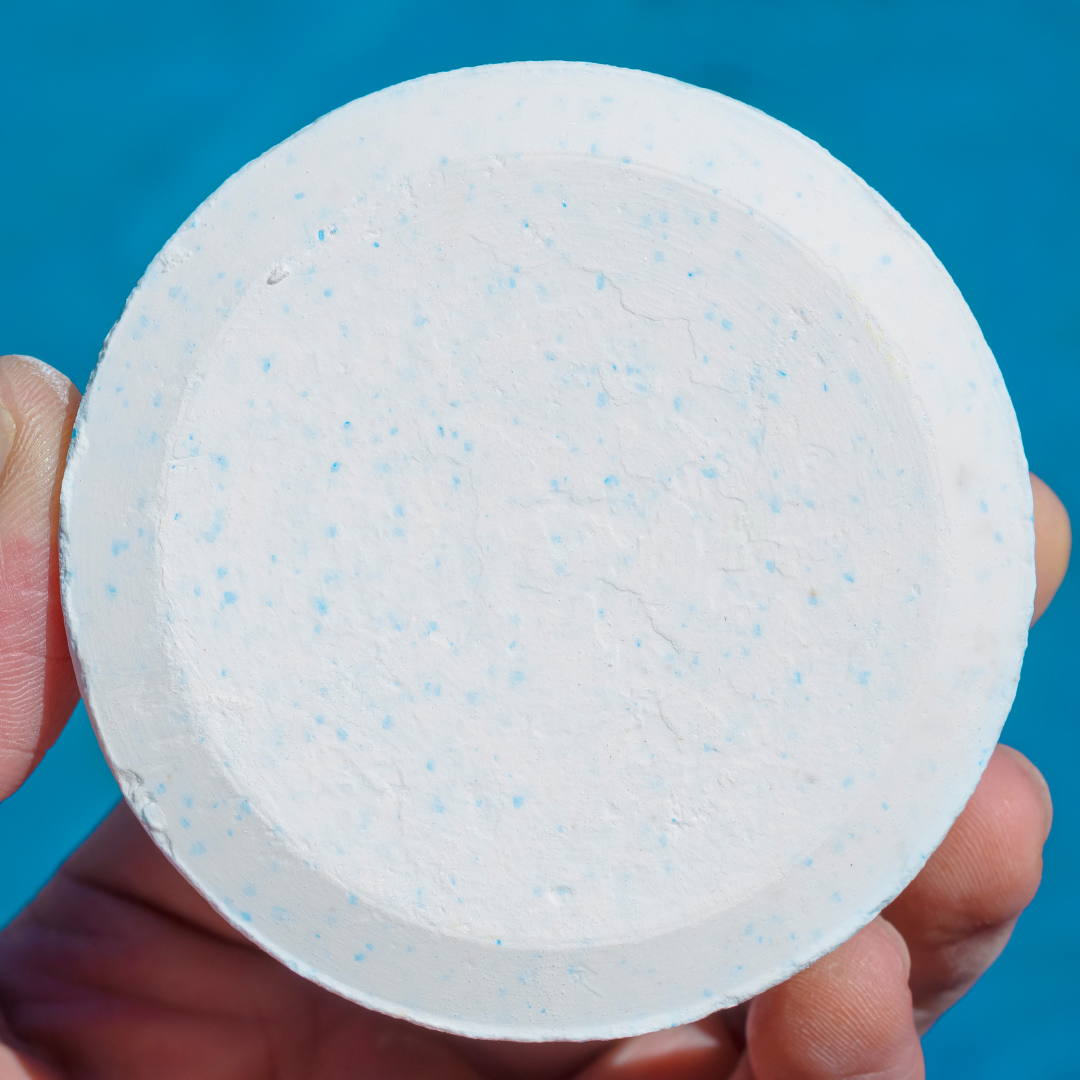
Chlorine, disinfection and taste perception
While chlorine is widely used to ensure the microbiological safety of drinking water, its presence can also influence the taste and smell of tap water.
Even at concentrations that meet health standards, some people perceive an unpleasant chlorinated taste or smell, which can discourage the consumption of tap water.
This sensitivity varies depending on the individual, the quality of the raw water and local treatment practices. This is one of the reasons why more and more households are looking to improve the comfort of their water consumption, while maintaining an appropriate level of health safety.

What are the health risks of a high concentration of chlorine in tap water?
The use of chlorine to disinfect drinking water can lead to health risks, especially if it is present in excess or if it reacts with other substances in the water, forming potentially harmful by-products.
Health hazards from exposure to chlorine in drinking water include skin and eye irritations, respiratory problems, increased risks for individuals with asthma, as well as cancer-related concerns and implications for pregnant women, such as an increased risk of miscarriage and birth defects with prolonged exposure to high levels of chlorine in drinking water.
Chlorine and water purifiers Pure Filters
Pure Filtersgravity water purifiers, equipped with Coldstream FTO+ filters, are devices that use a gravity filtration process to remove various contaminants from drinking water, including chlorine.
Coldstream FTO+ filters can remove up to 99.9% of contaminants from water, such as bacteria, viruses, chemicals, heavy metals, and sediment, while preserving the beneficial minerals found in the water.
%20(152-5%C2%A0%C3%97%C2%A085%C2%A0cm)%20(85%20x%20205%20cm)%20(Publication%20Instagram%20(45)).png)