Chlorothalonil in water
What are the main uses and mechanisms of action of chlorothanil in agriculture?
Chlorothanil is an organic compound of the chloroane family, used primarily as a fungicide in agriculture. It works by preventing the growth and spread of fungi that cause plant diseases, such as root rot, fruit rot, and mold.
This fungicide is often used to protect a wide variety of crops, including grains, fruits, vegetables, ornamentals, and specialty crops. It is effective against a wide range of pathogenic fungi, making it an important tool in the management of fungal diseases in agriculture.
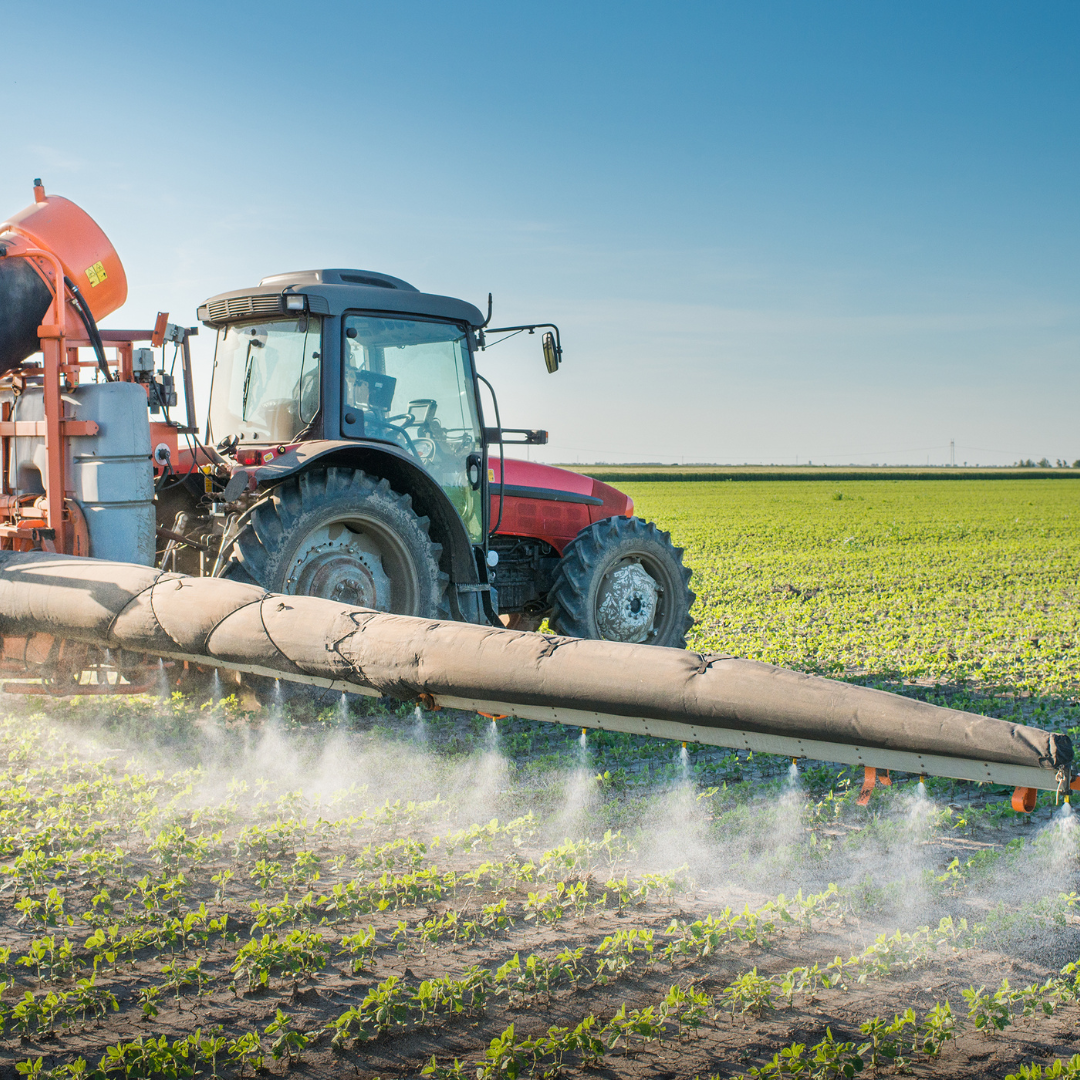
Chlorothanil is usually applied to crops as a spray or seed treatment. Once applied, it forms a protective barrier on the surface of the plants, preventing pathogenic fungi from entering and growing.
Why was chlorothalonil banned?
It has been banned because of its suspected carcinogenicity properties. These properties are associated with the active substance. However, metabolites of the pesticide have been detected in the water. ANSES has classified them into two categories: relevant or irrelevant.
Given the suspicions of carcinogenicity of the active substance and the lack of evidence to rule out the risks associated with these metabolites, ANSES has classified them as "relevant". This highlights the lack of available information, as metabolites are often less studied.
In 2019, the European Commission decided not to renew the authorisation of chlorothalonil, a product marketed by the German company Syngenta.
France then granted a grace period until May 2020 for the disposal of stocks of this product. The European Commission stressed at the time that it was "impossible to establish to date that the presence of chlorothalonil metabolites in groundwater will not have adverse effects on human health".
These decisions were based on the conclusions of the European Food Safety Authority, which had considered that chlorothalonil "should be classified as a category 1B carcinogen", meaning that it is considered a "supposed" carcinogen.
What are the risks associated with chlorothanil in tap water?
Tap water contaminated by pesticide residues such as chlorothanil, according to a report published by ANSES (French Agency for Food, Environmental and Occupational Health and Safety). This pesticide has been banned since 2019, as indicated in this press article from April 2023 in the newspaper Le Monde.
Chlorothanil residues can end up in tap water when they are leached from agricultural fields by precipitation or runoff and eventually contaminate drinking water sources.
The presence of chlorothanil in tap water may pose public health concerns as it is a potentially toxic pesticide. Studies have shown that chlorothanil may have adverse effects on human health, including gastrointestinal problems, skin and eye irritations, and long-term effects on the nervous system and internal organs.
For this reason, health authorities regularly monitor the quality of drinking water for the presence of chlorothanil residues and other pesticides. Strict standards and regulations are in place to limit the levels of pesticide residues in tap water to protect public health.
It is also recommended that consumers take steps to reduce their exposure to pesticides in tap water by using certified water filtration systems to remove contaminants, thoroughly washing fruits and vegetables before consumption, and choosing organic products when possible.
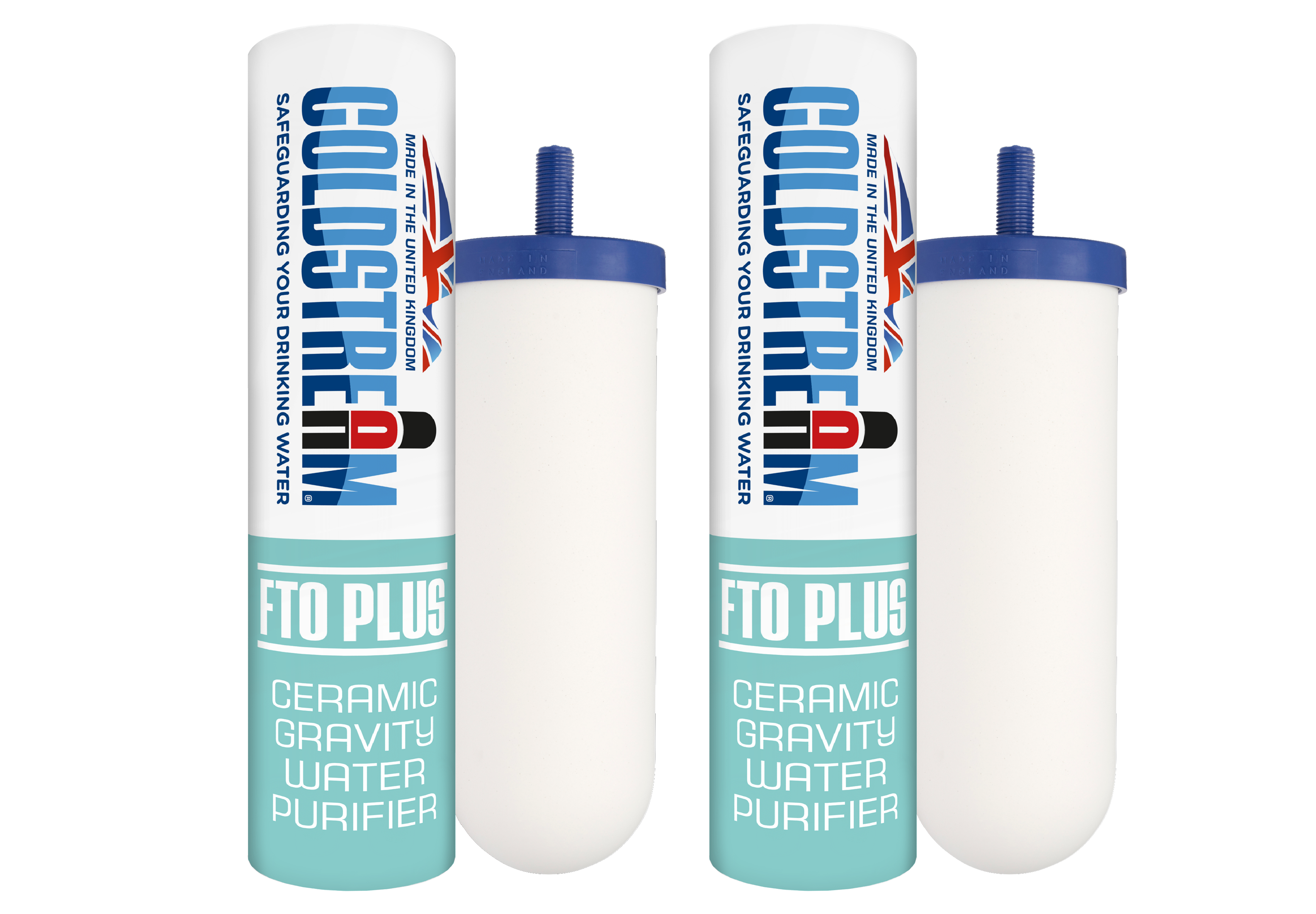
Water purifiers Pure Filters equipped with Coldstream FTO+ filters against chlorothalonil
Pure Filters water purification systems are designed to remove a wide range of contaminants from water, including pesticides and chemicals, thanks to the efficiency of their filters: the Coldstream FTO+ filters.
Here are the laboratory tests performed for these two filtration devices: Coldstream Water Purifier Lab Tests