
Purification and survival
Why is water purification vital in a survival situation, and how can water purifiers help?
In many environments, the available water can be contaminated with pathogens such as bacteria, viruses, and parasites, as well as harmful chemicals and toxins. Drinking contaminated water can lead to serious illnesses such as diarrhea, dysentery, and other gastrointestinal infections, which can significantly weaken a person and compromise their ability to survive.
During crisis or emergency situations, access to a source of drinking water may be limited or compromised. Water purifiers are therefore becoming essential tools to make water available for healthy and clean human consumption. Water purifiers are designed to remove contaminants from the water, ensuring a reliable source of drinking water, even in harsh conditions.


What criteria should be considered when choosing a reliable water purifier in an emergency?
When choosing a reliable water purifier in an emergency, there are several criteria to consider to ensure its effectiveness.
- Make sure the water purifier uses an effective purification method to remove a wide range of contaminants, including bacteria, viruses, parasites, and chemicals. Common purification methods include membrane filtration, activated carbon filtration, UV disinfection, and particle removal.
- Evaluate the capacity of the water purifier in terms of the volume of water treated per unit of time. In the event of an emergency, it can be crucial to have a purifier that can provide a sufficient amount of drinking water quickly to meet the needs of those affected.
- Opt for a portable and compact water purifier that is easy to carry and install, especially if you need to move frequently or are faced with outdoor survival conditions.
- Look for a water purifier that doesn't rely on an external power source to operate, as it can be difficult to find a reliable power supply in an emergency. Manual or battery-powered water purifiers are often more suitable in these situations.
- Choose a robust and resistant water purifier that can withstand harsh conditions and emergency situations without compromising its effectiveness.
- Opt for a water purifier that is simple to use, with clear and intuitive instructions, so that everyone can use it properly, even under stressful circumstances.
What type of water purifier should I choose from the different options available?
If you are planning longer trips or outdoor activities in natural environments, the ÖKO filter bottle could be a wise choice. With its advanced filtration technology, it provides additional protection against a wide range of contaminants, ensuring safe drinking water wherever you are.
%20(36).png)
If you need a more robust solution for everyday or group use, the Pure Filters Voyager Travel Water Purifier might be the best option. With its 6-liter capacity and gravity operation, it is ideal for a single person or a small family, providing a consistent and reliable source of drinking water throughout the day.
%20(152-5%C2%A0%C3%97%C2%A085%C2%A0cm)%20(85%20x%20205%20cm)%20(Publication%20Instagram%20(45)).png)
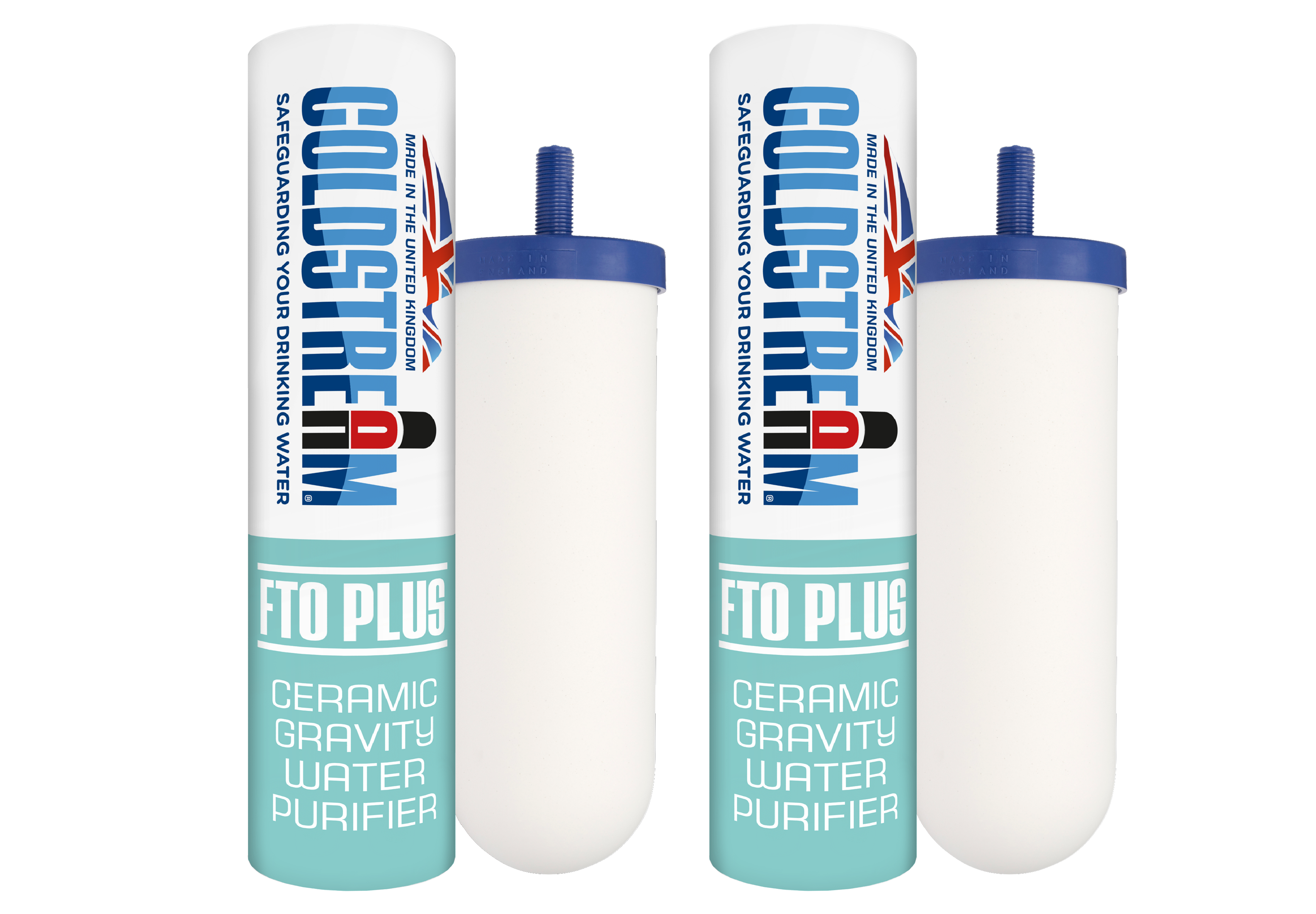
Imagine yourself in an area where the water is contaminated with pollutants such as nitrates, fluoride, substances that are harmful to health. With Coldstream FTO+ filters, you have ultimate protection against these pollutants, as well as bacteria and viruses that could make the water unsafe to drink.
Unlike other filters, these are specifically designed for regions with high nitrate and fluoride concentrations, providing an effective and reliable solution for purifying your water, even in the harshest conditions.
In a survival or emergency situation, access to reliable drinking water is never a detail: it is an essential condition for maintaining one's health and physical capacities. Anticipating, equipping yourself with an adapted purification system and understanding your limits allows you to face unforeseen contexts more serenely, whether they are outdoor activities, travel or exceptional situations. Water purification thus remains a fundamental pillar of any preparedness strategy.